


“I didn’t realize how bad it had gotten until I couldn’t go a day without it. I wasn’t even enjoying it anymore—it was just… a habit.”
These words were shared by Mark, a 24-year-old college student, when asked about his struggle with online adult content addiction. If this sounds familiar, you’re not alone. The internet has birthed many modern-day habits—some helpful, some harmless, and others more harmful than we’d like to admit.
One word that has popped up in recent years to describe a very specific kind of internet behavior is “coomer.” But what does it actually mean? Where did it come from? Why does it carry so much weight in online conversations? And most importantly, how can you recognize and overcome these tendencies if they’re impacting your life?
In this article, we’ll explore all of that in a friendly, non-judgmental way. So, let’s get into it.
What is a “Coomer”?
The term “coomer” originated from internet meme culture around 2018-2019. It was originally used as a humorous jab at people—typically men—who were perceived as addicted to online adult content, compulsive self-pleasure, and dopamine-driven behavior.
The Original Meme
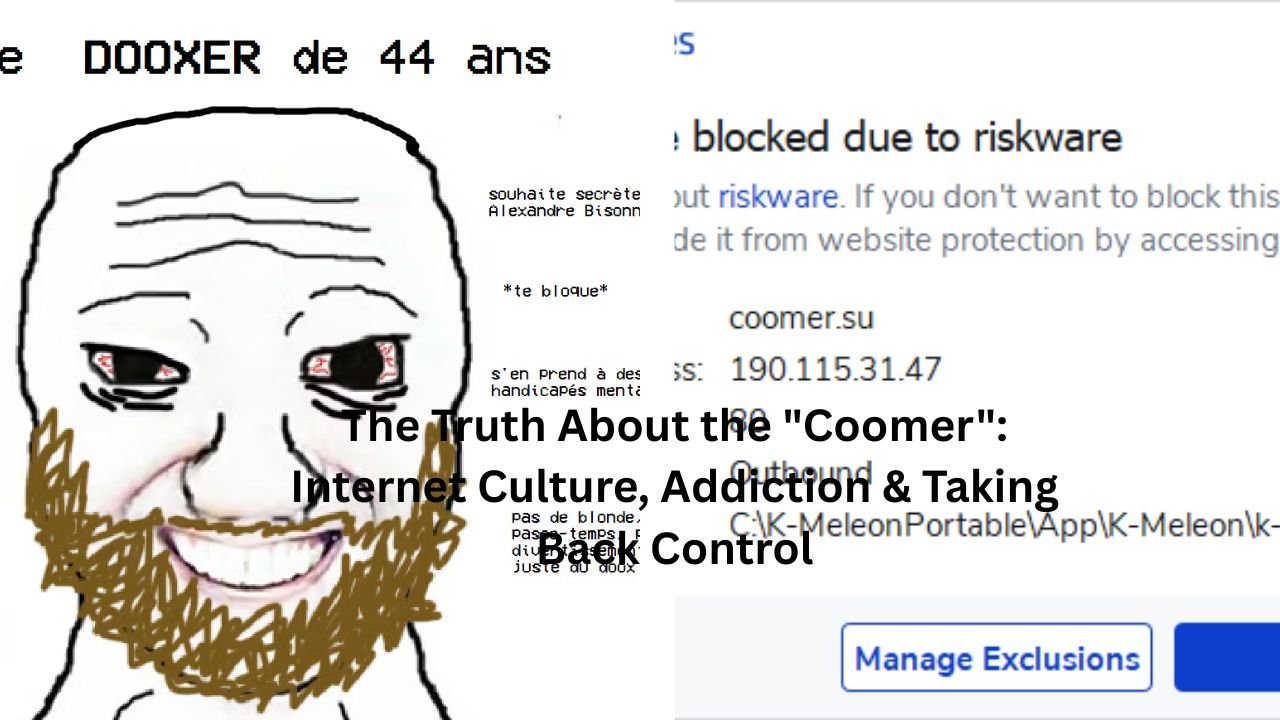
The coomer meme usually depicted a disheveled, unshaven man with tired eyes, greasy hair, and a blank stare—suggesting someone who spent way too much time… well, you know.
It started as satire, but like many memes, it started to hit close to home for some people. The image became symbolic of a real issue: excessive consumption of pornography and dopamine-seeking behavior.
Is It Just a Joke, or Something Deeper?
Let’s be honest: memes are funny. But they also reflect real-life behaviors in a simplified, exaggerated way. The “coomer” isn’t just a meme—it’s a modern archetype of someone caught in a loop of:
- Dopamine highs and lows
- Instant gratification
- Escapism
- Lack of motivation
- Low self-esteem
That’s a serious combo, especially when it starts affecting mental health, relationships, and productivity.
Why Is the “Coomer” Lifestyle Harmful?
While not everyone who consumes adult content has a problem, overconsumption and addiction can lead to a number of negative side effects:
1. Dopamine Desensitization
Every time you indulge in content that gives you a dopamine spike, your brain becomes a bit more resistant. Over time, what used to satisfy you doesn’t anymore—you need more and more stimulation to get the same “high.”
This is similar to other forms of addiction, like gambling or drugs.
2. Lack of Motivation
Many self-proclaimed coomers report feeling a drop in energy and drive. Why chase real-world goals when you can get instant satisfaction online in minutes? This creates a dangerous feedback loop that lowers ambition and focus.
3. Social Withdrawal
It’s easier to stay isolated and avoid social risks when you have a constant digital escape. Over time, this can lead to loneliness, anxiety, and even depression.
A Day in the Life of a “Coomer”
Let’s paint a picture.
Morning: Wakes up groggy. First thing? Scrolls phone. Ends up on Reddit, Twitter, or adult sites. An hour slips by.
Afternoon: Half-heartedly attends class or work. Feels drained. No excitement, no motivation.
Evening: Alone again. Maybe scrolls Instagram or TikTok, then returns to old habits. Rinse and repeat.
This isn’t to shame anyone—but to recognize how easy it is to fall into patterns that feel comfortable, but don’t actually serve you.
What Causes “Coomer” Behavior?
There’s no one-size-fits-all answer, but some common factors include:
- Accessibility of adult content
- Lack of real-life intimacy
- Social isolation
- Stress or emotional pain
- Boredom
- Low self-worth or confidence
- Avoidance of difficult life tasks
It’s a mix of emotional, psychological, and societal influences. Understanding this is key to moving forward.
How to Stop Being a “Coomer”: A Step-by-Step Guide
Breaking any habit requires effort, consistency, and patience. If you’re feeling stuck in this loop, here’s a practical roadmap to help you out.
Step 1: Acknowledge the Habit Without Shame
First, you need to face it. Admitting there’s a problem doesn’t make you weak—it makes you self-aware.
“I realized I wasn’t happy. I didn’t feel in control. That’s when I knew I had to make a change.”
– Jason, 28, former “coomer”
Step 2: Set Clear Goals
Write them down.
- “I want to quit adult content for 30 days.”
- “I want to reduce my screen time.”
- “I want to feel more in control.”
Make them specific and achievable.
Step 3: Replace, Don’t Just Remove
You can’t just delete a habit—you need to replace it with something better.
Healthy replacements:
- Exercise
- Reading
- Creative hobbies (music, writing, art)
- Meditation
- Socializing (even online at first)
Remember: You’re not trying to fill time. You’re trying to reclaim your energy.
Step 4: Install Digital Boundaries
- Use screen time limiters or website blockers
- Delete triggering apps or follow fewer “NSFW” accounts
- Avoid late-night scrolling
Out of sight, out of mind.
Step 5: Join a Support Group or Community
You’re not alone in this. There are entire communities like:
- NoFap subreddit
- Your Brain on Porn
- Quit Porn Discord servers
- Local support groups
Talking to others who get it can be powerful.
Step 6: Celebrate Progress
Every day you make a better choice is a win. Keep track of your streak. Journal how you feel. Small wins add up.
Step 7: Seek Therapy If Needed
If your habit feels tied to trauma, anxiety, or depression, consider talking to a therapist. There’s no shame in getting help—it’s a smart move.
Related Concepts: Understanding the Bigger Picture
To better understand the coomer lifestyle, it helps to be aware of some related ideas:
Dopamine Detox
This is the practice of cutting out high-stimulation activities (like porn, junk food, and social media) to reset your brain’s reward system. It helps rebuild motivation and focus.
NoFap
This internet movement encourages people—mainly men—to quit porn and masturbation to improve mental clarity, discipline, and drive.
Digital Minimalism
Coined by Cal Newport, this philosophy encourages intentional use of technology to reduce distractions and regain control of attention.
From Coomer to Creator: A Real-Life Turnaround Story
Meet Andre, a 31-year-old freelance designer from Toronto.
“I used to waste hours every night. I wasn’t addicted to porn in the clinical sense, but I definitely had a compulsive relationship with it. One night, I realized I hadn’t made a single piece of art in three months. That woke me up.”
Andre started small: blocking certain websites, journaling, getting back into hobbies. Six months later, he says:
“Now I create every day. My attention span is back. I feel alive again.”
That’s the shift: from coomer to creator.
Tips to Stay on Track
Here’s a quick cheat-sheet:
Journal your progress daily
Avoid being alone with your phone late at night
Find a deeper “why” for quitting
Reward yourself for milestones
Avoid the “just this once” trap
Don’t beat yourself up for slip-ups
Keep your hands—and mind—busy
Learn about dopamine regulation
In Conclusion: You’re Not a Meme
The internet might call it “coomer behavior,” but you’re a whole human being with depth, intelligence, and potential. If you’re stuck in a loop that isn’t serving you, know that you have the power to change it.
And that change doesn’t happen all at once—it happens one intentional step at a time.
Remember:
- You are not your habits.
- You are not your past.
- You are not your browser history.
You are capable of more, and you deserve to feel free, focused, and fulfilled.
Want to Go Deeper? Here Are Some Resources
- Your Brain on Porn
- The Dopamine Nation by Dr. Anna Lembke
- NoFap.com
- Digital Minimalism by Cal Newport
Final Thoughts
If you’ve made it this far, you’re already doing better than most. Awareness is the first step. Action is the next.
So whether you’re here out of curiosity, concern, or a desire to change—just know: you’re not alone, and you’re not stuck forever.
One day at a time.