



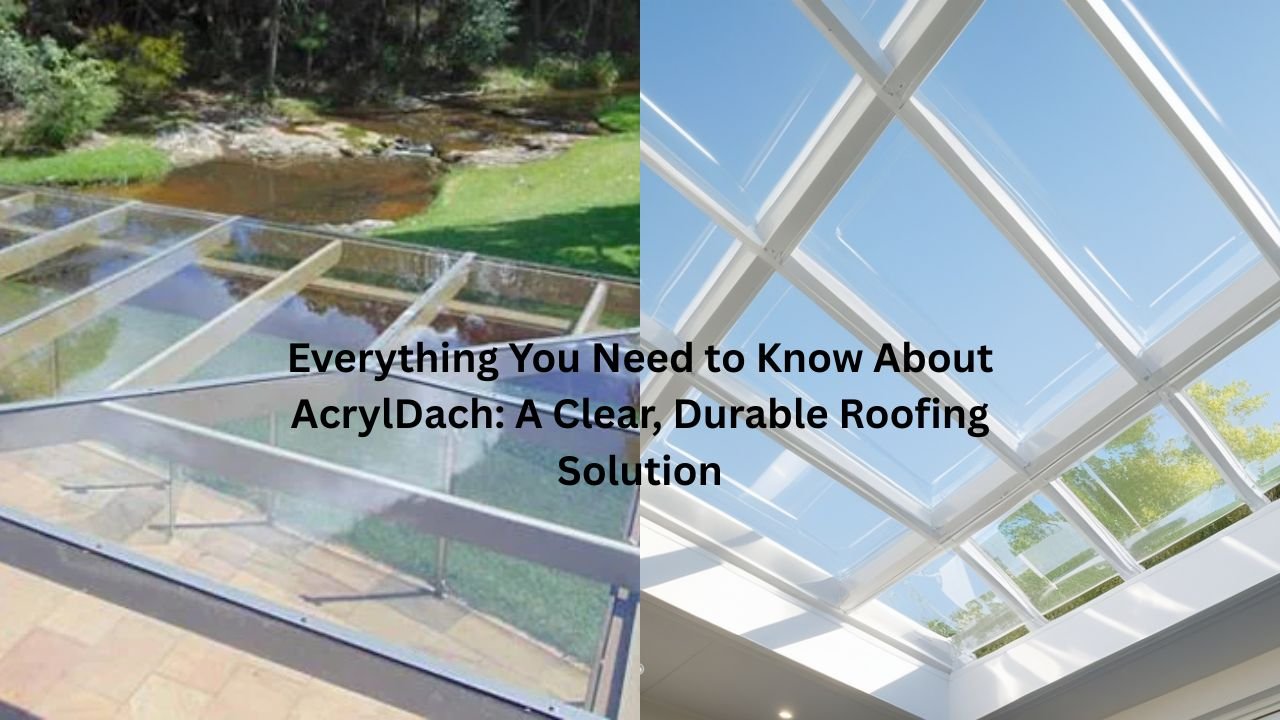
If you’re planning a home improvement project or just looking for a new roofing option, you’ve probably come across the term AcrylDach. Maybe you’re wondering: What exactly is AcrylDach? Is it reliable? Can I install it myself? The good news is — you’re in the right place. This guide is your all-in-one resource to understand everything there is to know about AcrylDach, from what it is, to how it works, to how you can install it yourself (yes, really!).
What Is AcrylDach?
Let’s start with the basics.
AcrylDach is a type of roofing system made from acrylic plastic sheets, specifically designed for durability, transparency, and weather resistance. The word “Acryl” stands for acrylic, and “Dach” is German for roof — so essentially, it’s an acrylic roof.
These roofs are typically used for:
- Greenhouses
- Carports
- Patios
- Pergolas
- Sunrooms
- Outdoor walkways
Because AcrylDach is transparent (or semi-transparent), it allows natural light to pass through while still offering protection from rain, wind, and harmful UV rays.
Why Choose an AcrylDach Over Traditional Roofing?
To understand the benefits of AcrylDach, let’s compare it with more traditional roofing materials like metal, tiles, or wood.
1. Lightweight but Strong
One of the most significant advantages is how lightweight the material is. Traditional roofing tiles can be heavy and may require extra structural support. On the other hand, AcrylDach panels are light, making them easier to handle and install — even for DIYers.
2. Excellent Light Transmission
Unlike dark, solid roofs that block sunlight completely, AcrylDach allows light to filter through. This is perfect for places like greenhouses or garden patios, where you want the space to feel open, bright, and inviting.
Anecdote:
“Last spring, I helped my dad install an AcrylDach roof on his backyard pergola. Before, it was always dark and gloomy under there. Now, we sit and enjoy our morning coffee under a canopy of soft natural light — even when it rains.”
3. Weather and UV Resistant
These roofing sheets are engineered to withstand tough weather — rain, snow, and even hail. They’re also UV-resistant, which means they won’t yellow or crack over time like some cheaper plastics.
4. Long-Lasting and Low-Maintenance
With proper installation and minimal care, an AcrylDach can last for decades. There’s no rusting, no rot, and no insect damage — making it a cost-effective long-term choice.
Step-by-Step: How to Install an AcrylDach Roof
Thinking of installing your own AcrylDach? Don’t worry — it’s easier than you might think. Follow this simple guide and you’ll be covered (literally) in no time.
Tools & Materials You’ll Need:
- AcrylDach panels (acrylic roofing sheets)
- Supporting frame (usually wood or aluminum)
- Screws with rubber washers
- Drill with appropriate bits
- Measuring tape
- Protective gloves and goggles
- Rubber seals or gaskets
Step 1: Measure Your Area
Before you do anything else, take precise measurements of the space you want to cover. Add 10–15% extra to allow for overlaps and trimming. This helps avoid last-minute trips to the hardware store.
Step 2: Prepare the Frame
Your acrylic roof needs a solid support structure. Use treated wood or rust-proof aluminum beams to create a strong frame. The beams should be evenly spaced (generally 50–60 cm apart) to prevent sagging.
Pro Tip:
Always angle your roof with a slight slope (minimum 5 degrees) to allow for rainwater drainage.
Step 3: Lay the Panels
Place the AcrylDach panels onto the frame. Make sure the UV-protected side (usually labeled) is facing upward. Panels should overlap slightly on each edge to avoid leaks.
Use rubber washers and special screws to fasten the sheets down without cracking them.
Step 4: Seal and Finish
Use rubber seals between overlapping panels and edges to ensure a watertight seal. Check for gaps or uneven surfaces and adjust accordingly. Once everything is snug and secure, give the surface a quick clean with a soft cloth.
Choosing the Right Type of AcrylDach Panels
There are several types of acrylic sheets on the market. Here’s a quick comparison to help you choose what’s best for your needs.
| Clear Acrylic Sheets | Greenhouses, patios | Maximum light, glass-like clarity |
| Tinted Acrylic Panels | Carports, sunrooms | Reduces glare and heat |
| Textured or Frosted Acrylic | Privacy areas | Diffused light, added privacy |
| Twin-wall or Multi-wall Panels | Insulation needs | Better thermal performance |
Anecdote:
“I opted for twin-wall AcrylDach panels for my greenhouse. Not only did it keep the heat in during cold months, but the plants absolutely thrived. My tomatoes have never been happier.”
How to Maintain Your AcrylDach Roof
Thankfully, maintenance is minimal — but not completely hands-off. Here’s how to keep your AcrylDach looking crystal-clear and strong for years:
Do:
- Wash with a soft cloth and soapy water every few months
- Rinse with clean water to remove dust and bird droppings
- Inspect for cracks or loose screws annually
Don’t:
- Use abrasive sponges or harsh chemicals
- Walk on the roof (unless it’s designed to support weight)
- Use high-pressure washers directly on the sheets
Is AcrylDach Environmentally Friendly?
Great question.
Yes, many modern AcrylDach systems are made using recyclable acrylic materials. Moreover, because they let in natural light, they reduce the need for artificial lighting during the day — which helps conserve energy.
If you’re concerned about the environment, look for UV-stabilized, recyclable sheets from manufacturers who follow sustainable production processes.
Where to Buy AcrylDach Panels
You can find AcrylDach roofing sheets at most large hardware stores or specialty building material suppliers. They’re also available online, often with customization options for size and thickness.
When buying, pay attention to:
- UV protection warranty
- Material thickness (usually ranges from 2mm to 16mm)
- Manufacturer reputation
- Color or tint options
- Price per square meter
Common Mistakes to Avoid with AcrylDach
Even though it’s easy to install, here are a few pitfalls to steer clear of:
- Not leaving expansion gaps – Acrylic expands in the heat. Forgetting this can lead to cracked panels.
- Wrong screws or no washers – Regular screws can damage the material over time. Always use recommended fittings.
- Ignoring slope angle – A flat acrylic roof will collect water and debris. Always slope it!
- Cleaning with harsh chemicals – This can cloud or damage the UV protection layer.
Final Thoughts: Is AcrylDach Right for You?
If you’re looking for a modern, attractive, low-maintenance roofing solution that lets the light in while keeping the elements out, AcrylDach is a fantastic choice.
Whether you’re building a greenhouse, upgrading your carport, or just want to add a cozy outdoor space to your home, AcrylDach roofing panels give you the flexibility and performance you need — all while looking sleek and professional.
And the best part? You don’t need a team of professionals to get started. With a bit of planning and the right tools, your dream acrylic roof could be just a weekend away.